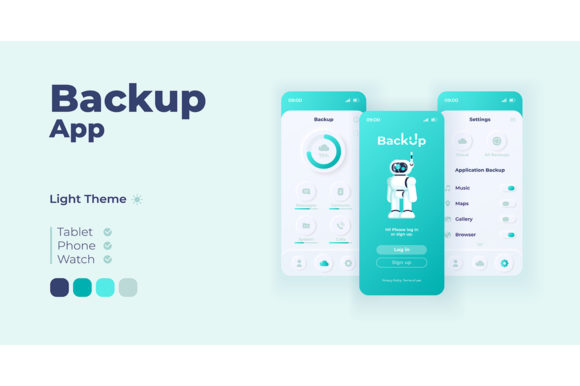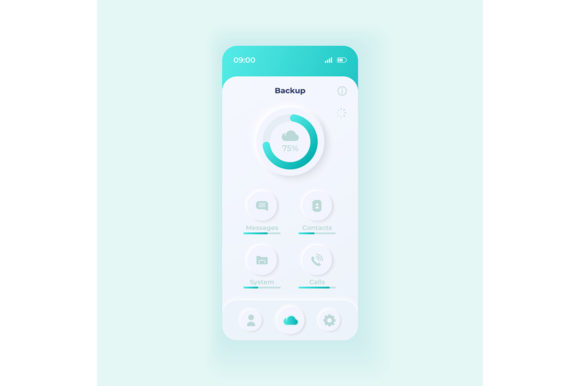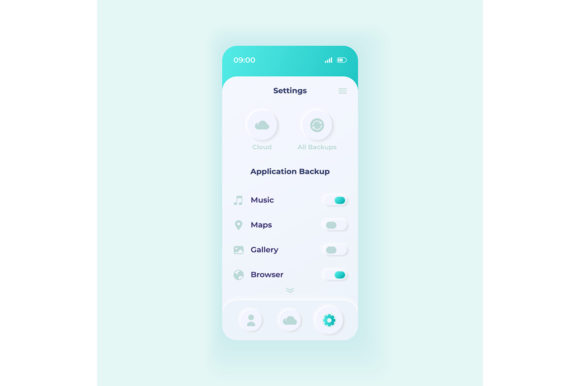
Backup Application Settings Interface: A Comprehensive Overview
The Backup Application Settings Interface is a critical component of mobile app design, enabling users to manage and preserve their application configurations. This interface plays a key role in ensuring that user preferences, data, and settings are securely stored and easily retrievable. As mobile devices become more integral to daily life, the need for reliable backup solutions has grown significantly. Understanding the Backup Application Settings Interface can help users make informed decisions about their device management and app usage.
What Is the Backup Application Settings Interface?
The Backup Application Settings Interface refers to the section within a mobile application where users can configure and manage how their app settings are backed up. This typically includes options for selecting what data to back up, choosing the storage location, and setting up automatic or manual backups. The interface is often designed with a flat UI, emphasizing simplicity and ease of use. It may also include server uploading options, allowing users to store their backups on remote servers for added security.
For developers, this interface is essential for creating a seamless user experience. It ensures that users can restore their app settings without losing important data. In many cases, the backup process involves generating a ZIP file containing various formats such as EPS and JPG, which can be used for further customization or recovery.
Why Someone Might Be Interested in the Backup Application Settings Interface
Users interested in the Backup Application Settings Interface may be looking for ways to protect their app data from loss due to device failure, software updates, or accidental deletion. This interest often stems from a desire for control over personal information and a need for reliable data management solutions. For example, individuals who rely heavily on specific apps for work, communication, or entertainment may prioritize backup features to avoid disruptions.
Additionally, those evaluating different mobile applications may compare the backup capabilities of various apps to determine which offers the most robust and user-friendly settings interface. Developers and designers may also study these interfaces to improve their own app designs, focusing on usability and functionality.
Benefits of the Backup Application Settings Interface
One of the primary benefits of a well-designed Backup Application Settings Interface is the ability to recover lost data quickly. Users can restore their app settings with minimal effort, reducing downtime and frustration. This feature is particularly useful for apps that require frequent configuration changes, such as productivity tools, social media platforms, or gaming applications.
Another advantage is the flexibility it provides. Users can choose between local and cloud-based backups, depending on their needs and preferences. This flexibility allows for greater control over data privacy and accessibility. Moreover, the flat UI design of many backup interfaces ensures that even non-technical users can navigate the settings with ease.
Tradeoffs and Considerations
While the Backup Application Settings Interface offers numerous benefits, there are also tradeoffs to consider. One potential drawback is the risk of data breaches if backups are not properly secured. Users should ensure that any cloud-based backup solution they use employs strong encryption and secure authentication methods.
Additionally, some apps may limit the types of data that can be backed up, which could be a concern for users with specific requirements. For instance, certain applications might not support backing up large files or complex configurations, requiring alternative solutions for comprehensive data protection.
It’s also important to consider the performance impact of regular backups. Frequent data synchronization can consume system resources and affect the overall performance of the device. Users should balance the need for regular backups with the potential impact on their device’s speed and battery life.
Situations Where the Backup Application Settings Interface Is a Strong Fit
The Backup Application Settings Interface is particularly beneficial in scenarios where data integrity and accessibility are crucial. For example, businesses that rely on mobile apps for customer interactions, project management, or internal communications may find this feature invaluable. It ensures that critical data remains protected and can be restored quickly in case of an issue.
Individuals who frequently switch devices or upgrade their smartphones can also benefit from a robust backup interface. It allows them to transfer their app settings seamlessly, maintaining a consistent user experience across different devices. This is especially useful for apps that require personalized configurations, such as fitness trackers, financial management tools, or e-learning platforms.
Situations Where Alternatives May Be Worth Considering
In some cases, alternatives to the Backup Application Settings Interface may offer better solutions. For instance, third-party backup tools or cloud storage services might provide more advanced features or greater flexibility than built-in app settings. Users concerned about data privacy may prefer using encrypted cloud storage providers instead of relying solely on an app’s native backup functionality.
Additionally, users who are not comfortable with technical interfaces may find alternative solutions more intuitive. Some apps offer simplified backup options, while others integrate with operating system-level backup features, which can be easier to manage for less tech-savvy users.
Practical Decision-Making Insights
When evaluating the Backup Application Settings Interface, users should consider their specific needs and preferences. Those who prioritize data security and control may opt for apps with advanced backup options, while others may prefer simpler, more straightforward solutions. It’s also advisable to research the reputation of the app developer and the reliability of their backup systems.
Testing the backup interface before committing to an app can provide valuable insights into its usability and effectiveness. Users can explore the settings, perform test backups, and assess how easy it is to restore data. This hands-on approach can help identify any potential issues or limitations.
Ultimately, the decision to use an app with a specific Backup Application Settings Interface depends on individual priorities. By understanding the features, benefits, and limitations of these interfaces, users can make informed choices that align with their goals and needs.