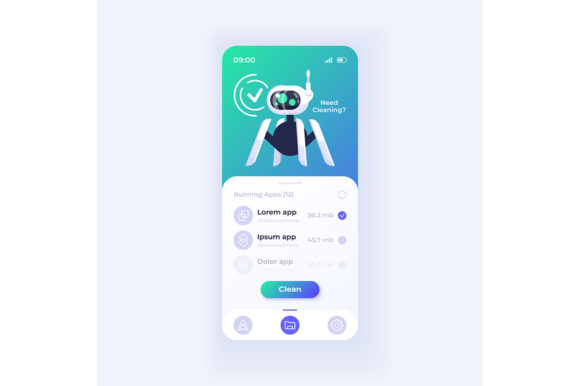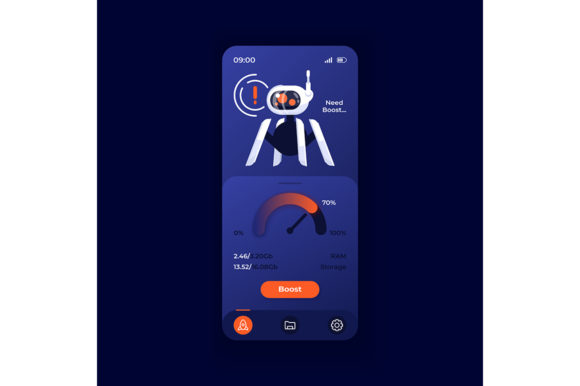
Device Booster Application Interface: Boost Your Smartphone’s Performance
Smartphones have become essential tools for daily life, but over time, they can slow down, freeze, or crash. That’s where the Device Booster Application Interface comes in. This powerful tool helps users optimize their devices, ensuring smooth performance and efficient resource management. Whether you're a busy professional, a creative, or someone who relies on your phone for everyday tasks, understanding how to use this interface can make a big difference.
When and Why People Use Device Booster Application Interface
Many people turn to device booster apps when their phones start acting up. Maybe your phone takes longer to open apps, or it crashes when you’re in the middle of something important. These issues often stem from background processes, unused apps, or low memory. The Device Booster Application Interface is designed to tackle these problems head-on.
Consider a scenario where a small business owner is preparing a presentation on the go. Their phone might be running multiple apps, draining the battery and slowing down the system. With the Device Booster Application Interface, they can quickly clear cache, close unnecessary programs, and free up space—all without interrupting their workflow.
Another common situation involves content creators. Photographers, YouTubers, or social media managers often need their phones to run smoothly while editing videos or uploading files. A cluttered device can lead to delays, lost work, or even corrupted files. Using a device booster app ensures that their phone stays responsive, allowing them to focus on their craft instead of technical issues.
Real-World Use Cases Across Different Industries
The Device Booster Application Interface isn’t just for casual users. It has practical applications across various fields. For example, educators who use tablets or smartphones for lesson planning or virtual teaching may find that their devices become sluggish after long hours of use. By using a device booster, they can maintain consistent performance, making their digital classroom experience more effective.
Freelancers and remote workers also benefit from this tool. Imagine a graphic designer working on a tight deadline, only to have their phone freeze while transferring large files. A device booster can help manage memory usage, prevent crashes, and keep the device running efficiently. This kind of reliability is crucial for professionals who depend on their devices for income.
Even everyday users can see improvements. A parent juggling multiple tasks—like checking emails, streaming videos, and managing household schedules—may notice their phone slowing down. The Device Booster Application Interface allows them to clean up their device, improve speed, and reduce frustration during daily routines.
How Different Users Benefit from the Interface
Each user interacts with the Device Booster Application Interface in a unique way based on their needs. For instance, a student might use it to free up storage space for school projects or apps. A traveler could rely on it to ensure their phone runs smoothly during long trips, especially when using navigation or entertainment apps.
Marketers and bloggers who frequently upload content or monitor social media accounts may appreciate the interface’s ability to manage background processes. This helps prevent their devices from becoming bogged down by constant updates and notifications, allowing them to stay productive without interruptions.
Business owners with mobile teams might use the interface to maintain consistent performance across multiple devices. This is especially useful for field staff who need reliable access to customer data, communication tools, or inventory systems. A well-optimized device means fewer disruptions and better service for clients.
What to Consider Before Using Device Booster Application Interface
Before diving into the Device Booster Application Interface, it’s important to understand what it does and how it works. Not all device booster apps are created equal, so choosing the right one is key. Look for apps with a clean, flat UI design that makes navigation easy. A dark theme layout can also be beneficial for reducing eye strain during long sessions.
Users should also consider their specific needs. If you’re primarily concerned about memory management, look for features like cache cleaning or app optimization. If battery life is a priority, check if the app includes power-saving options. Understanding these details can help you select the best tool for your situation.
Additionally, it’s wise to read reviews and check for compatibility. Some device booster apps may not work well with certain operating systems or device models. Testing the app on a trial basis can also help determine if it meets your expectations before committing to a purchase or download.
Connecting Features to Real Outcomes
The Device Booster Application Interface offers more than just technical benefits—it improves the overall user experience. By optimizing performance, users can save time, reduce stress, and avoid the frustration of a sluggish device. For example, a teacher who used to spend extra time waiting for their tablet to respond can now switch between apps instantly, making lessons more engaging for students.
Similarly, a freelance writer who previously faced frequent crashes while working on long documents can now enjoy a smoother workflow, leading to increased productivity and better-quality work. These outcomes highlight how the right tools can transform the way people interact with their devices.
Ultimately, the Device Booster Application Interface is more than just a utility—it’s a solution that empowers users to take control of their smartphone performance. Whether you’re a creator, a professional, or simply someone who values efficiency, this tool can help you get the most out of your device.