Flight Information Semi Illustration: A Practical Tool for Modern Travelers
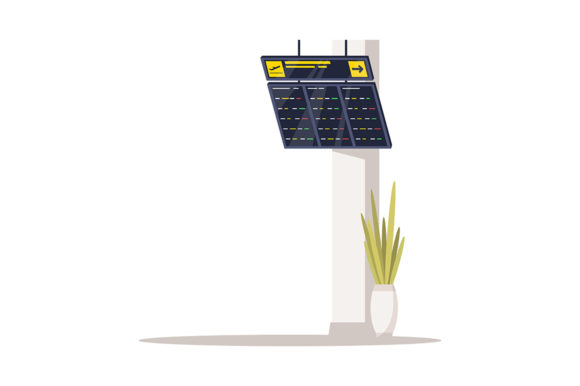
Flight information semi illustration is more than just a visual aid—it’s a practical resource that helps people navigate the complexities of air travel. Whether you're a frequent flyer, a traveler planning a trip, or someone who needs to keep track of flight schedules, this type of illustration can be incredibly useful. It combines design with functionality, making it easier to understand and access critical flight details at a glance.
These illustrations are often used in airport terminals, digital displays, and informational kiosks. They provide a clear, visual representation of flight data such as departure times, gate numbers, delays, and cancellations. With their clean lines and minimalistic style, they’re easy to read and integrate well into various environments, from busy airports to quiet hotel lobbies.
Where and When People Use Flight Information Semi Illustration
Flight information semi illustration is most commonly found in places where travelers need quick access to real-time updates. Airports are the primary location, but you’ll also see them in train stations, bus terminals, and even on mobile apps. These visuals help passengers stay informed without having to search through dense text or complicated interfaces.
For example, imagine you’re in a crowded airport terminal and you need to check your flight status. Instead of scrolling through a cluttered screen, a semi illustration might show a simple, color-coded display with your flight number, departure time, and gate location. This kind of design makes it easier to process information quickly, especially when time is limited.
Why Flight Information Semi Illustration Matters
There’s a reason why airlines and transportation providers invest in these types of illustrations. They reduce confusion, minimize stress, and improve the overall travel experience. In a world where people are constantly on the move, having access to clear, visual flight information can make a big difference.
Consider a scenario where a traveler is arriving at an unfamiliar airport. Without a clear visual guide, they might miss their flight or get lost trying to find the right gate. A semi illustration can help them locate their departure point faster, reducing the risk of delays and ensuring a smoother journey.
Real-World Use Cases for Flight Information Semi Illustration
Flight information semi illustration isn’t just for airports. It has a wide range of applications across different industries and personal situations. For instance, event organizers might use similar designs to manage guest arrivals, while businesses could use them to track employee travel schedules.
Freelancers and remote workers who frequently travel for meetings or conferences can benefit from having a visual reference for their flight details. Instead of relying solely on phone notifications, they can use a semi illustration to double-check their itinerary at a glance. This can be especially helpful when traveling across time zones or during last-minute schedule changes.
How Different Users Benefit from Flight Information Semi Illustration
The value of flight information semi illustration varies depending on who is using it. For creative professionals like graphic designers or illustrators, these visuals can serve as a source of inspiration or a reference for developing their own work. They can study the layout, color schemes, and design elements to understand how to create similar content for their clients.
Entrepreneurs and small business owners might use these illustrations to enhance their marketing materials. For example, a travel agency could incorporate a semi illustration into their website or social media posts to give customers a clearer view of flight schedules and options. This not only improves user experience but also builds trust and credibility.
What to Consider Before Using Flight Information Semi Illustration
Before downloading or implementing a flight information semi illustration, it’s important to consider a few key factors. First, think about the purpose. Are you using it for personal travel, professional communication, or public display? The answer will influence the design, format, and level of detail required.
Next, evaluate the technical requirements. Some illustrations may come in different file formats, such as EPS or JPG, which can affect how they’re used. If you’re designing a digital display, for example, you’ll want a high-resolution image that looks sharp on screens. On the other hand, if you’re printing materials, a vector format like EPS might be more suitable for scalability.
Choosing the Right Flight Information Semi Illustration
When selecting a flight information semi illustration, look for one that aligns with your specific needs. Do you need a simple, minimalist design, or something more detailed with additional features like weather updates or seat availability? The right illustration should match the context in which it will be used.
Also, consider the target audience. If you’re creating content for a general audience, simplicity is key. If you’re targeting industry professionals, you might need a more sophisticated design that includes advanced data points. Ultimately, the goal is to make information accessible and easy to understand.
Using Flight Information Semi Illustration in Everyday Life
Even outside of formal travel settings, flight information semi illustration can be useful. For example, teachers or educators might use these visuals to teach students about geography, time zones, or global travel patterns. By incorporating real-world examples, they can make learning more engaging and relevant.
Home users can also benefit from these illustrations. If you’re planning a vacation, a semi illustration can help you organize your travel plans and visualize your itinerary. It can also serve as a backup in case your digital devices aren’t working, giving you a physical reference to rely on.
Final Thoughts on Flight Information Semi Illustration
Flight information semi illustration is more than just a design element—it’s a functional tool that supports modern travel and communication. Whether you’re a traveler, a designer, a business owner, or an educator, there’s likely a way to incorporate this type of illustration into your workflow. By focusing on clarity, usability, and visual appeal, these illustrations help bridge the gap between information and action, making travel and communication more efficient and less stressful.