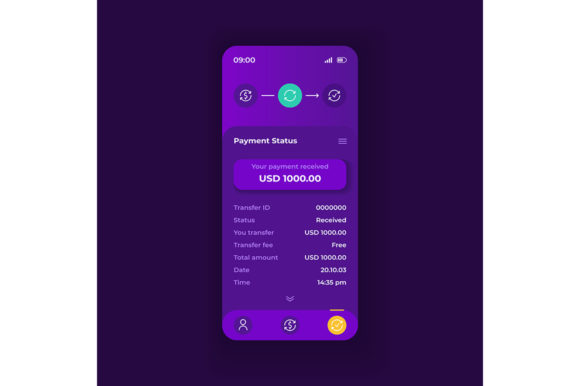
Online Payment Application Interface Explained
The Online Payment Application Interface is a critical component of modern digital transactions. It serves as the bridge between users and financial systems, enabling seamless money transfers, bill payments, and online purchases. For professionals, entrepreneurs, and everyday users, understanding this interface can lead to more efficient financial management and better decision-making.
Why the Online Payment Application Interface Matters
In today’s fast-paced world, convenience and security are top priorities when handling money. The Online Payment Application Interface ensures that these needs are met through intuitive design and reliable functionality. Whether you're sending money to a colleague, paying a service provider, or managing personal finances, a well-designed interface can make all the difference.
For small business owners, this interface can streamline operations by allowing real-time transaction tracking and customer payment processing. For freelancers and creators, it offers a way to receive payments quickly and securely without the hassle of traditional banking methods.
Mobile App Page Dark Theme Design Layout
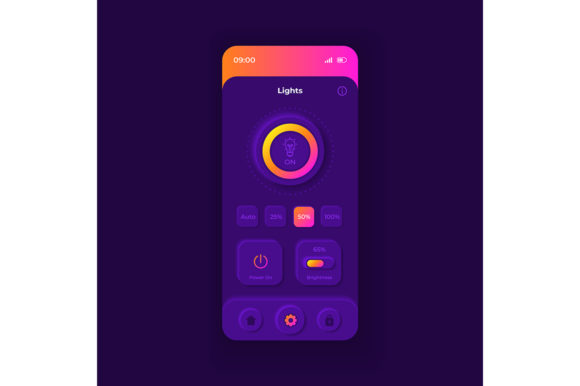
Modern mobile apps often use a dark theme design layout to enhance user experience. This design not only looks sleek but also reduces eye strain, especially in low-light environments. The dark theme is particularly useful for users who spend long hours on their phones, such as marketers, bloggers, and educators.
A dark theme can also improve battery life on OLED screens, making it a practical choice for frequent users. When combined with a flat UI, the design becomes even more user-friendly, offering clear visual hierarchy and easy navigation.
Flat UI for Application: Simplicity Meets Functionality
Flat UI design emphasizes simplicity and clarity. It removes unnecessary elements like shadows and gradients, focusing instead on clean lines, bold colors, and readable text. This approach makes the Online Payment Application Interface more accessible and easier to use, especially for those who may not be tech-savvy.
For example, a user looking to send money can quickly find the necessary options without getting lost in complex menus. This efficiency saves time and reduces errors, which is crucial for anyone managing multiple transactions daily.
Transaction Status Screen: Real-Time Updates for Peace of Mind
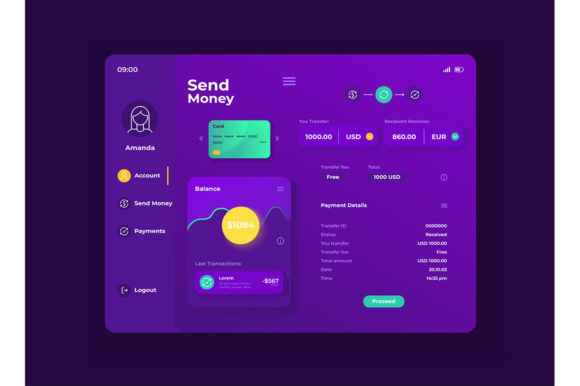
The transaction status screen is an essential feature of any online payment app. It provides users with real-time updates on the progress of their transactions, ensuring they know exactly when a payment has been processed or if there are any issues.
This feature is especially important for businesses that rely on timely payments. A clear and concise status screen allows users to track payments, resolve disputes, and maintain accurate records. For consumers, it offers reassurance that their money is being handled properly.
Money Transfer Details on Phone Display: Transparency and Control
When transferring money through an online payment app, having detailed information on the phone display is crucial. Users need to see the amount, recipient details, and transaction fees before confirming a transfer. This level of transparency helps prevent mistakes and builds trust in the system.
For instance, a freelancer might need to send a client a specific amount with a note about the service provided. The ability to view and confirm all details on the phone display ensures accuracy and professionalism. It also supports better communication between parties involved in the transaction.
Vector Templates: Customization and Professionalism
Vector templates, such as those provided in EPS and JPG formats, offer flexibility for designers and developers. These files allow for high-quality scaling without loss of detail, making them ideal for creating visually appealing interfaces that work across different devices and screen sizes.
For businesses looking to brand their payment apps, vector templates provide a foundation for customizing the look and feel of the interface. This can help create a unique identity that resonates with users and sets the app apart from competitors.
Who Benefits Most from the Online Payment Application Interface?
The Online Payment Application Interface is beneficial for a wide range of users, but some groups may find it particularly valuable. Entrepreneurs and small business owners, for example, can use it to manage cash flow and process payments efficiently. Marketers and bloggers may appreciate the ease of receiving payments for services or content.
Freelancers and creatives also benefit from the ability to send and receive money quickly. Educators and publishers can use it to handle course fees or book sales. For everyday consumers, it simplifies everyday transactions, making it easier to pay bills, shop online, or split expenses with friends.
Considerations and Limitations
While the Online Payment Application Interface offers many advantages, it's important to consider potential limitations. Not all users may be comfortable with digital transactions, and some may prefer traditional banking methods. Additionally, the effectiveness of the interface can vary depending on the platform and the quality of the design.
Users should also be aware of security risks associated with online payments. Choosing a reputable app with strong encryption and two-factor authentication can help mitigate these risks. It's always a good idea to compare options and select the one that best fits individual needs and preferences.
Final Thoughts on the Online Payment Application Interface
The Online Payment Application Interface plays a vital role in modern financial interactions. Its design, functionality, and usability directly impact how users engage with digital payments. By focusing on features like dark themes, flat UI, and transaction status screens, developers can create interfaces that are both effective and user-friendly.
Whether you're a professional, a creator, or a regular consumer, understanding and utilizing the right Online Payment Application Interface can lead to greater efficiency, security, and control over your financial activities. As technology continues to evolve, staying informed about these tools will remain essential for navigating the digital economy.