Tickets Booking Application Interface and Its Impact on User Experience
The evolution of digital technology has transformed how people access and manage event experiences. A key component in this transformation is the Tickets Booking Application Interface, which serves as the primary touchpoint for users seeking to purchase, view, or manage event tickets. This interface plays a critical role in shaping user satisfaction, operational efficiency, and overall engagement with ticketing platforms.
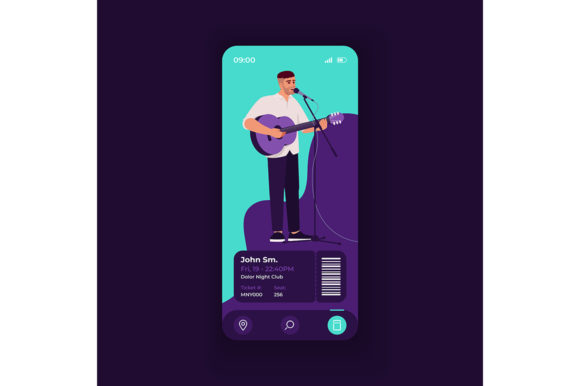
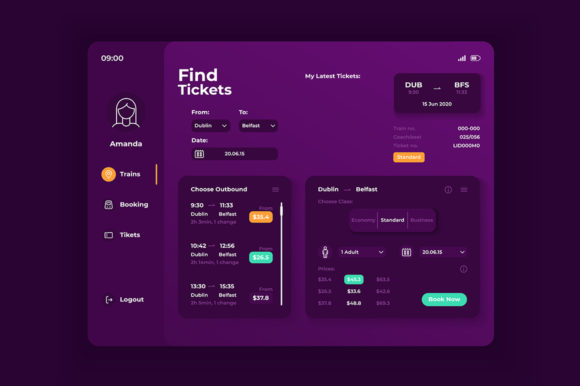
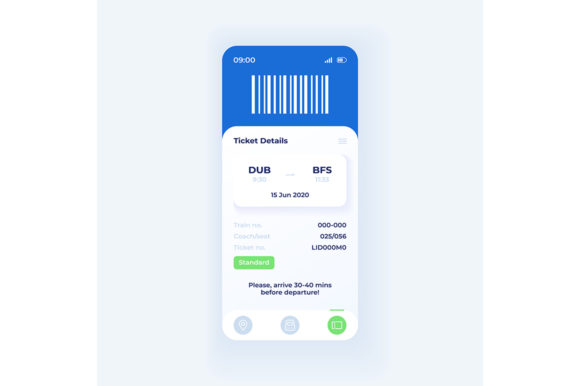
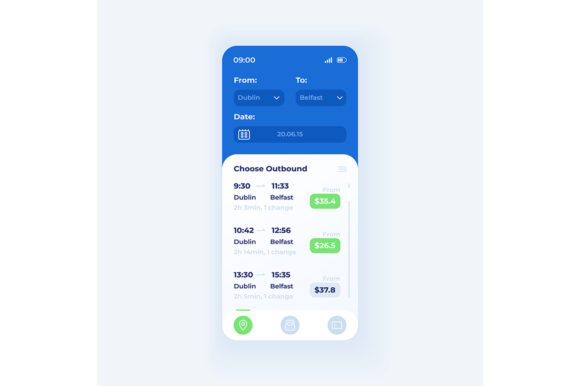
Modern ticketing systems are designed with mobile-first principles in mind, recognizing that a significant portion of users interact with applications through smartphones. The Tickets booking application smartphone interface vector template provides a foundation for creating visually appealing and functionally robust mobile experiences. These templates often emphasize flat UI design, ensuring clarity, simplicity, and ease of navigation across various screen sizes.
Key Features of a Modern Tickets Booking Interface
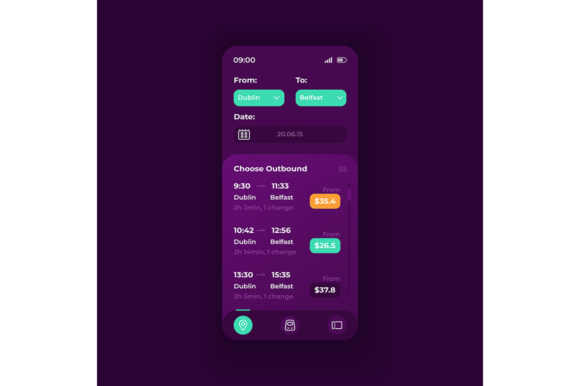
A well-designed Tickets Booking Application Interface typically includes several core features that enhance usability and accessibility. One such feature is the available options screen, which allows users to explore different ticket types, seating arrangements, or event schedules. This screen is often structured using intuitive layouts, such as grids or lists, to help users quickly identify and select their preferred choices.
Another essential element is the trip choosing menu on phone display. This menu enables users to filter events based on location, date, category, or other relevant criteria. By integrating search and sorting functions, the interface ensures that users can efficiently locate the specific event they are interested in without unnecessary complexity.
Flat UI design is a prevalent approach in modern ticketing applications. This design philosophy emphasizes clean lines, minimalistic aesthetics, and consistent visual hierarchy. By reducing visual clutter and focusing on functionality, flat UIs improve user focus and reduce cognitive load, making the ticketing process more seamless and enjoyable.
Advantages of a Mobile-Friendly Ticketing Interface
The shift toward mobile-first ticketing interfaces has brought numerous benefits to both users and event organizers. For users, a mobile-optimized Tickets Booking Application Interface offers convenience, flexibility, and accessibility. They can purchase tickets from anywhere, at any time, without the need for a desktop computer. This is especially valuable for last-minute bookings or spontaneous event attendance.
From an operational perspective, a mobile-friendly interface reduces the burden on customer support teams by minimizing common issues such as incorrect ticket selection or payment errors. Additionally, mobile interfaces often integrate with other digital tools, such as calendar apps or push notifications, to provide real-time updates and reminders about upcoming events.
The use of vector templates, such as the Tickets booking application smartphone interface vector template, also streamlines the development process. These templates offer pre-designed components that can be customized to match brand identity while maintaining a cohesive and professional look. This not only saves time but also ensures consistency across different platforms and devices.
Use Cases and Practical Applications
The Tickets Booking Application Interface is used in a wide range of scenarios, from concert and sports event ticketing to conference registrations and museum admissions. In each case, the interface must adapt to the specific needs of the event type and audience. For example, a music festival may require a more interactive interface with seat maps and artist information, while a corporate conference might prioritize registration forms and networking features.
Event organizers can also leverage data analytics integrated into the ticketing interface to gain insights into user behavior, popular events, and sales trends. This information can inform future marketing strategies, pricing models, and event planning decisions. By providing a smooth and responsive interface, organizers can increase conversion rates and build stronger relationships with their audience.
In educational settings, the Tickets booking application smartphone interface vector template can be adapted to create learning management systems or workshop registration tools. These applications benefit from the same principles of usability and accessibility, ensuring that students and educators can easily access and manage course materials or event participation.
Considerations for Effective Interface Design
Creating an effective Tickets Booking Application Interface requires careful consideration of several factors. First, the design must be responsive, ensuring that it works seamlessly across different device sizes and operating systems. This includes optimizing touch targets, text readability, and layout adjustments for portrait and landscape orientations.
Second, the interface should be accessible to all users, including those with disabilities. This involves implementing features such as screen reader compatibility, high contrast modes, and keyboard navigation. By following accessibility standards, developers can ensure that the interface is inclusive and meets legal requirements in many regions.
Finally, performance is a critical factor in interface design. Users expect fast loading times and smooth interactions, even on lower-end devices. Optimizing images, minimizing code bloat, and leveraging caching techniques can significantly improve the user experience and reduce bounce rates.
Future Trends in Ticketing Interface Development
The Tickets Booking Application Interface is continuously evolving to meet changing user expectations and technological advancements. One emerging trend is the integration of augmented reality (AR) and virtual reality (VR) to provide immersive event previews or virtual seating experiences. These innovations can enhance user engagement and reduce uncertainty about event details before purchasing tickets.
Another trend is the use of artificial intelligence (AI) to personalize the ticketing experience. AI-powered recommendations, dynamic pricing models, and automated customer support can make the process more efficient and tailored to individual preferences. As these technologies become more mainstream, they will likely play a larger role in shaping the future of ticketing interfaces.
Additionally, the availability of downloadable assets, such as the Tickets booking application smartphone interface vector template in ZIP format containing EPS and JPG files, allows designers and developers to customize interfaces without starting from scratch. These resources can be particularly useful for small businesses or independent developers looking to create professional-looking applications with limited design expertise.