Postcard Greeting Card Mockup 6: A Practical Tool for Showcasing Your Art
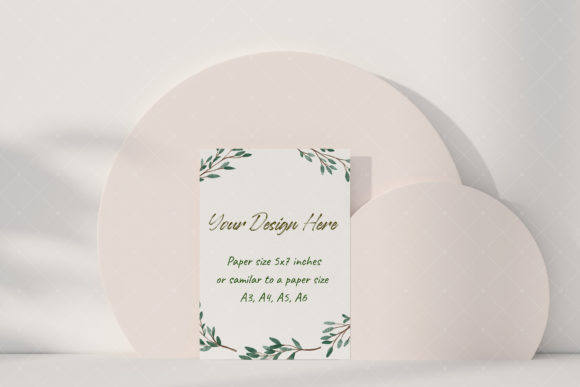
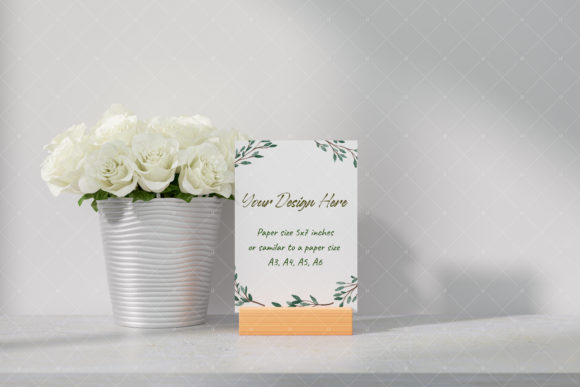
If you're a designer, artist, or small business owner looking to present your work in a professional and appealing way, the Postcard Greeting Card Mockup 6 could be an essential addition to your toolkit. This mockup provides a realistic and high-quality representation of how your artwork, illustration, watercolor, or drawing will look when printed as a postcard or greeting card. Whether you're sharing your designs with clients, showcasing your portfolio, or promoting your products, this mockup offers a convenient and effective solution.
What Is Postcard Greeting Card Mockup 6?
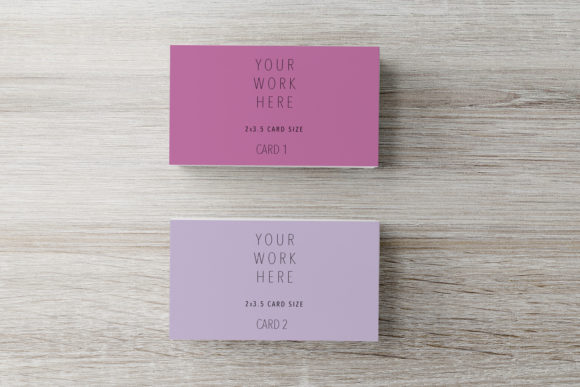
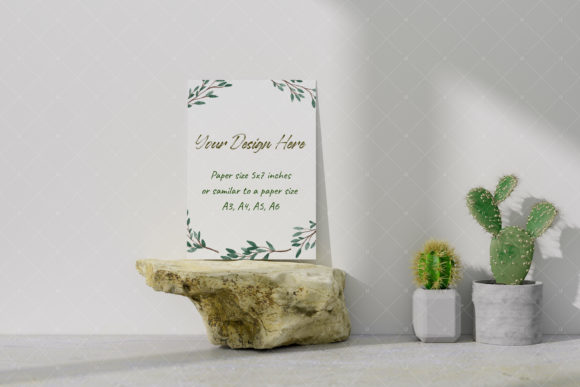
The Postcard Greeting Card Mockup 6 is a digital file that allows you to visualize your artwork in a real-world context. It comes in two formats: a PSD file with a smart object layer and a JPG file with a white blank in frame. Both are high-resolution at 300 DPI, ensuring clarity and detail when displayed or printed. This mockup isn't just a static image—it's a tool that helps you demonstrate your creativity without the need for physical printing or complex design work.
Unlike scene creators that allow full customization of elements, this mockup offers a ready-made scene. You can’t move items or change the background, but it saves time by providing a realistic setting that highlights your design effectively. The mockup includes a background and a smart object layer, making it easy to place your artwork in the right spot.
Common Mistakes When Using Postcard Greeting Card Mockup 6
While the Postcard Greeting Card Mockup 6 is a powerful tool, there are several common mistakes users make that can affect the quality of their results. One of the most frequent errors is not checking the resolution or format before using the mockup. If you’re working with a low-resolution image, it may appear blurry or pixelated when placed into the mockup, which can undermine the professionalism of your presentation.
Another mistake is overlooking the importance of alignment and composition. Even though the mockup provides a ready-made scene, placing your artwork incorrectly can make it look unbalanced or off-putting. For example, if your design is too close to the edge of the postcard, it might get cut off during printing. Always ensure your artwork has enough margin to avoid this issue.
Some users also fail to consider the intended use of the mockup. While it’s great for showing artwork to clients, it’s not designed for creating new scenes or altering backgrounds. Trying to modify the mockup beyond its capabilities can lead to frustration and wasted time. Understanding the limitations of the mockup helps you use it more effectively.
How to Avoid Common Pitfalls
To get the most out of the Postcard Greeting Card Mockup 6, start by verifying the specifications before downloading or using the file. Ensure that your artwork is in the correct format—usually PNG or JPEG—and that it matches the dimensions of the mockup. If you’re using the PSD version, familiarize yourself with smart objects so you can easily replace your design without disrupting the layout.
Take the time to review the mockup’s structure. For instance, if you’re using the JPG version, make sure your design fits within the frame and doesn’t extend beyond the edges. With the PSD version, check that the smart object layer is properly positioned and that your artwork is aligned correctly.
Also, think about the purpose of the mockup. Are you using it for client presentations, social media posts, or product listings? Each use case may require slight adjustments. For example, if you’re sharing the mockup on social media, you might want to add a caption or branding to enhance its impact.
What to Check Before Using Postcard Greeting Card Mockup 6
Before you start using the Postcard Greeting Card Mockup 6, there are a few key things to check. First, confirm that the file format meets your needs. If you’re working in Adobe Photoshop, the PSD file will give you more flexibility. If you’re using a different program, the JPG version might be more suitable.
Next, ensure that your artwork is optimized for the mockup. This means checking the size, resolution, and color mode. High-resolution images (300 DPI) are ideal for print, while lower resolutions may be acceptable for digital use. Also, make sure your artwork uses the correct color profile—CMYK for print, RGB for digital displays.
Finally, test the mockup with a sample design before using it for official presentations. This helps you identify any issues early and ensures that the final result looks polished and professional.
Realistic Examples and Better Approaches
Let’s say you’re a freelance illustrator looking to showcase your latest watercolor series. Instead of sending raw images to potential clients, you can use the Postcard Greeting Card Mockup 6 to create a more engaging visual. By placing your artwork in the mockup, you give clients a clear idea of how the final product will look, which can increase their confidence in your work.
Another example is a small business owner selling handmade greeting cards. Using the mockup, they can quickly generate high-quality images for their online store or social media pages. This not only saves time but also enhances the overall presentation of their products.
A better approach is to combine the mockup with other design tools. For instance, you can use the mockup to create a collage or a portfolio page, adding text, borders, or other elements to make the design more dynamic. This gives you more creative freedom while still leveraging the convenience of the mockup.
Final Thoughts
The Postcard Greeting Card Mockup 6 is a valuable resource for anyone looking to display their artwork in a professional and appealing way. By understanding its features, avoiding common mistakes, and following best practices, you can maximize its effectiveness. Whether you’re a beginner or an experienced designer, this tool can help you communicate your vision clearly and impress your audience.
If you have any questions or need further assistance, don’t hesitate to reach out. The goal is to ensure that you get the most out of your mockup and achieve the desired results every time.